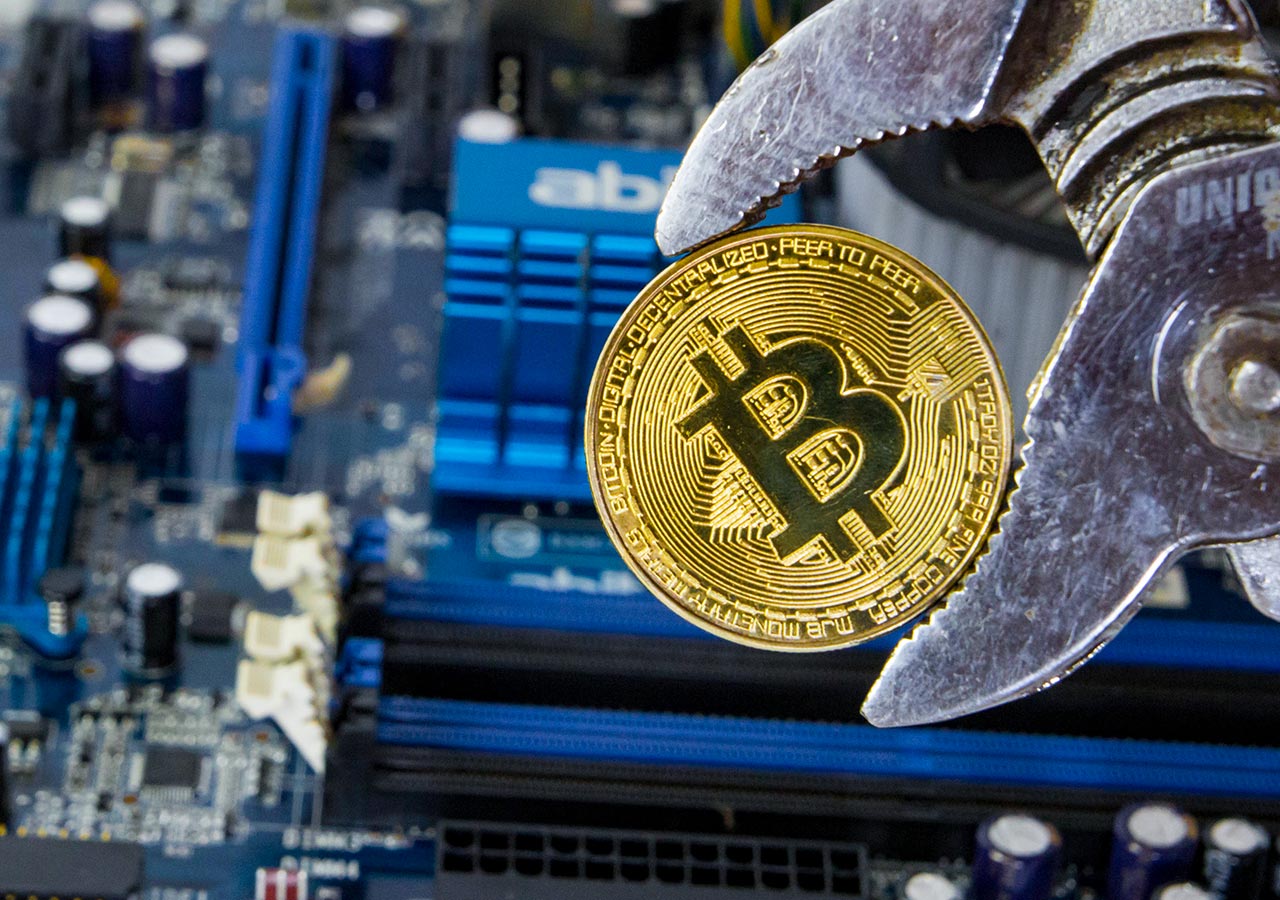
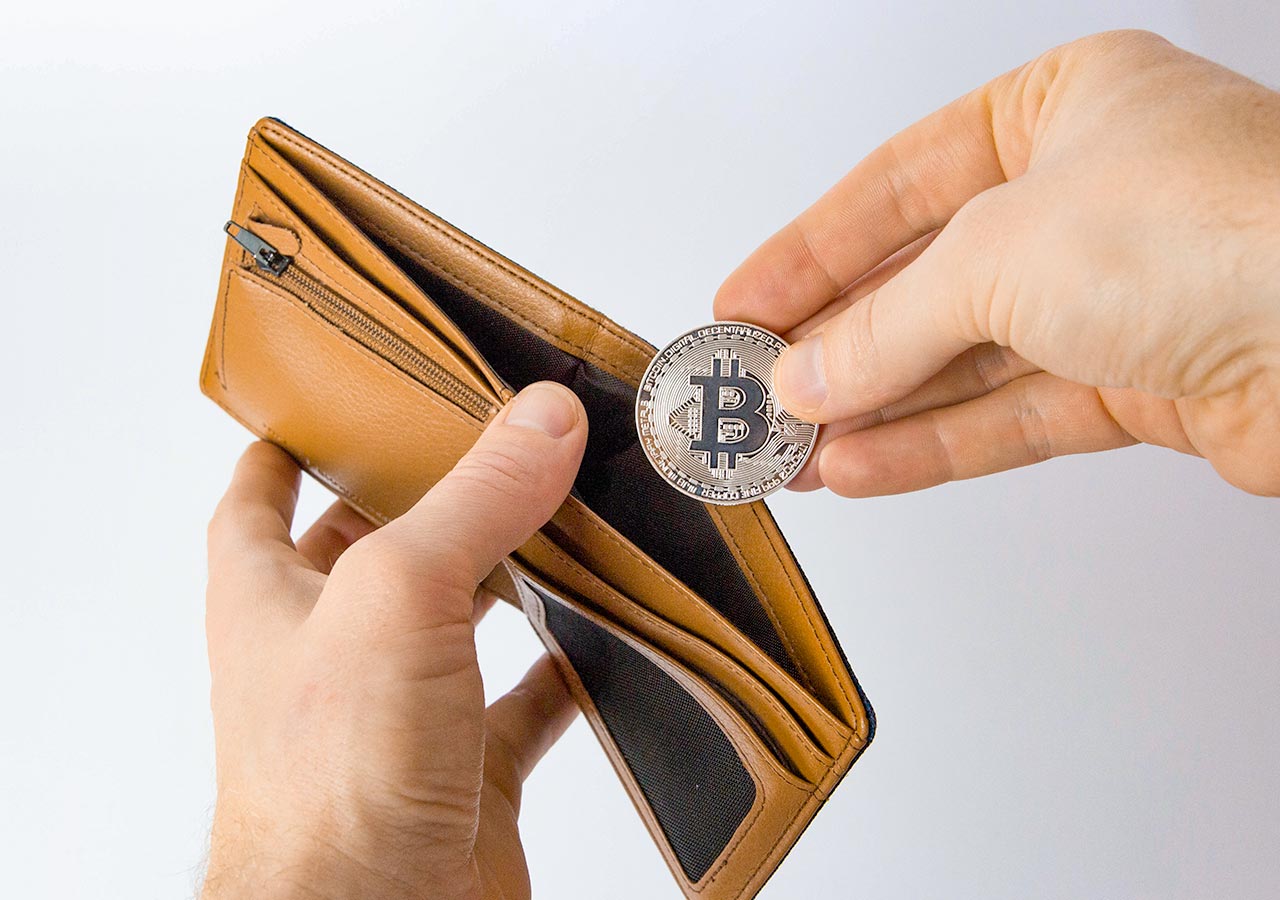
Introduction: The Dark Side of Digital Gold
Cryptocurrency gives you financial freedom — but it also gives you full responsibility.
There’s no customer service to call if you lose your password, no “forgot my key” button if you’re hacked. Once your coins are gone, they’re gone forever.
That’s why understanding crypto security is crucial in 2025, as online threats evolve and hackers get smarter. Let’s explore how to safeguard your crypto from scams, breaches, and bad habits.
Why Security Matters More Than Ever
In 2025 alone, billions in crypto have been lost to thefts, exchange hacks, and phishing scams. As crypto becomes more mainstream, it becomes a bigger target for cybercriminals.
Here’s why it’s so risky:
-
Transactions are irreversible. Once confirmed, you can’t cancel them.
-
Hackers follow the money. The more valuable crypto becomes, the more attacks it attracts.
-
No central authority. You are your own bank — which means you’re also your own security team.
But don’t panic — protecting your crypto is easier than you might think once you follow a few key principles.
Step 1: Use the Right Wallet
Your wallet is the foundation of your security.
There are two main types:
🔥 Hot Wallets
These are online wallets (apps or browser extensions) connected to the internet.
Examples: MetaMask, Trust Wallet, Coinbase Wallet.
-
Great for convenience
-
Best for small amounts
-
Always enable 2-factor authentication (2FA)
❄️ Cold Wallets
Offline devices that store your crypto without internet access.
Examples: Ledger Nano X, Trezor, Ellipal Titan.
-
Nearly hack-proof
-
Best for large or long-term holdings
Rule of thumb: Keep your spending money in a hot wallet, but store your savings in cold storage.
Step 2: Protect Your Private Keys
Your private key or recovery phrase (usually 12 or 24 words) is the master key to your wallet.
Anyone who has it controls your funds — forever.
To stay safe:
-
Never share your seed phrase with anyone.
-
Never store it online, in emails, or screenshots.
-
Write it down on paper (or use a metal backup) and store it securely offline.
-
Consider a fireproof safe or safety deposit box.
If a website or “support agent” ever asks for your seed phrase — it’s a scam.
Step 3: Secure Your Accounts
Even if your wallet is safe, your exchange or app accounts can still be hacked.
Follow these best practices:
-
Turn on 2FA (two-factor authentication) everywhere.
-
Use a unique, strong password (combine upper/lowercase, numbers, symbols).
-
Avoid reusing passwords from other accounts.
-
Regularly check for suspicious logins or withdrawals.
Password managers like 1Password or Bitwarden can help create and store secure passwords safely.
Step 4: Beware of Phishing and Scams
Scammers have become creative — from fake crypto giveaways on social media to emails pretending to be from your exchange.
Signs of a phishing scam:
-
Urgent or emotional messages (“Your account will be frozen!”).
-
Slightly misspelled URLs (e.g., binannce.com instead of binance.com).
-
Links asking for your private key or wallet access.
Always double-check URLs, bookmark your exchange sites, and never click random links in emails or DMs.
Step 5: Keep Software Updated
Old wallet apps or browsers can contain security bugs.
Regularly update:
-
Your wallet software
-
Browser extensions
-
Operating system and antivirus
Updates often patch vulnerabilities hackers exploit — don’t skip them.
Step 6: Stay Informed
Crypto security isn’t a one-time task — it’s an ongoing habit.
Follow trusted sources like CoinDesk, Binance Blog, or OnlineCrypto.ca for alerts about new scams and best practices.
Join crypto communities (Reddit, Telegram, X/Twitter) — but always verify advice before acting on it.
Step 7: Diversify Your Storage
Don’t keep all your crypto in one place. Spread your holdings across different wallets or exchanges.
That way, even if one gets compromised, you don’t lose everything.
Step 8: Plan for the Unexpected
If something happens to you, how will your family access your crypto?
It’s smart to leave clear, secure instructions with someone you trust, or use a digital inheritance service that releases information only under specific conditions.
Final Thoughts: Take Control of Your Security
Owning crypto is empowering — but it also comes with responsibility.
With the right habits and tools, you can enjoy the freedom of digital assets without the fear of losing them.
Stay vigilant, stay updated, and make crypto safety part of your daily routine.