Introduction: Why Wallets Matter More Than You Think
So, you’ve decided to buy some cryptocurrency — exciting, right?
But before you go all in, there’s one thing every crypto owner needs to get right: where to keep it.
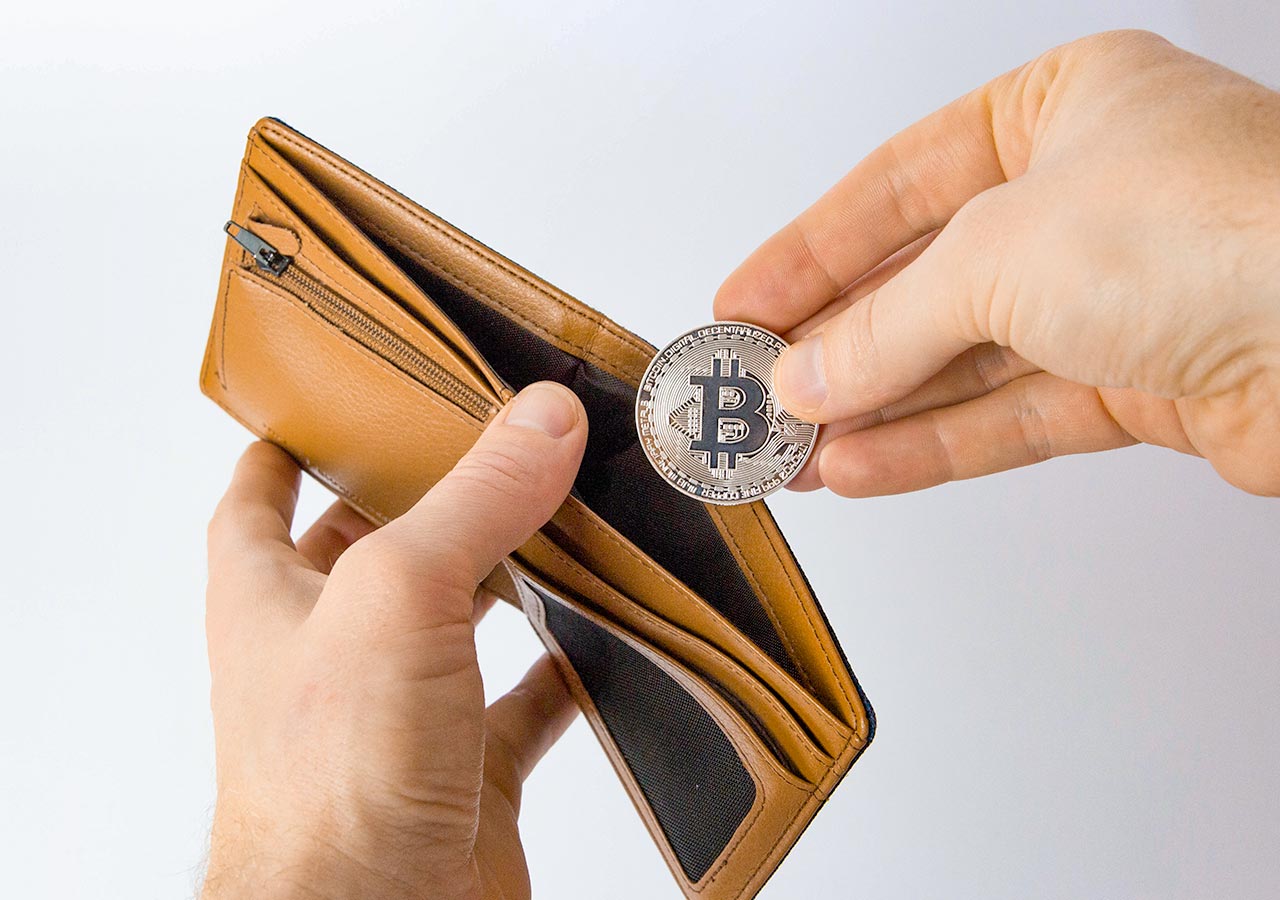
A crypto wallet isn’t just a place to store your coins. It’s the key to your digital fortune. Without it, you could lose access to your funds forever — and that’s not an exaggeration. Understanding how wallets work is one of the smartest things you can do before investing a single dollar.
In this guide, we’ll break down crypto wallets in plain English so you know which one’s right for you in 2025.
What Is a Crypto Wallet?
A crypto wallet is a digital tool that lets you send, receive, and store cryptocurrencies.
But here’s the catch: your coins aren’t actually stored inside the wallet. Instead, the wallet holds your private keys — the secret codes that prove ownership of your crypto on the blockchain.
Think of your wallet as a password manager for your money.
Lose the password (your private key), and the money is gone forever.
The Two Main Types of Wallets
1. Hot Wallets — Convenient but Online
A hot wallet is connected to the internet, making it easy to access your funds whenever you want. These are great for beginners who want quick, everyday access to their crypto.
Pros:
-
Free and simple to set up
-
Ideal for small, frequent transactions
-
Usually comes with a mobile app or browser extension
Cons:
-
Connected to the internet = potential hacking risk
-
Vulnerable to phishing or malware attacks
Examples:
-
MetaMask – perfect for Ethereum and tokens
-
Trust Wallet – supports a wide range of coins
-
Coinbase Wallet – beginner-friendly and secure
If you’re just starting out, a hot wallet is an easy way to dip your toes in.
2. Cold Wallets — Offline and Ultra Secure
A cold wallet stores your crypto offline, usually on a physical device like a USB stick. Because it’s not connected to the internet, hackers can’t get in.
Pros:
-
The most secure way to store crypto
-
Immune to online attacks
-
Perfect for long-term investors
Cons:
-
Costs money (hardware wallets usually $70–$200)
-
You need to physically connect it to access funds
Examples:
-
Ledger Nano X
-
Trezor Model One
-
Ellipal Titan
If you plan to invest serious money, cold storage is your best friend.
Custodial vs Non-Custodial Wallets
There’s another distinction to know — who controls your keys.
-
Custodial wallets are managed by a third party (like an exchange).
You don’t hold the private keys — they do.
Example: Your Coinbase or Binance account. -
Non-custodial wallets give you full control.
You’re responsible for the private keys, backups, and recovery.
Rule of thumb:
“Not your keys, not your crypto.”
If you want true ownership, go non-custodial. But if you just want convenience and don’t mind trusting an exchange, custodial wallets can work too.
Multi-Currency vs Single-Coin Wallets
Some wallets only support one blockchain (like Bitcoin or Ethereum), while others can handle dozens — or even hundreds — of cryptocurrencies.
If you plan to explore multiple coins or DeFi apps, choose a multi-currency wallet like:
-
Trust Wallet
-
Exodus
-
Atomic Wallet
They’re great for people who like to experiment without juggling multiple apps.
How to Keep Your Wallet Safe
Owning crypto means becoming your own bank — and that means security is your responsibility.
Here’s how to keep your wallet safe:
-
Back up your seed phrase — write it down on paper and keep it offline.
-
Use strong passwords and avoid reusing them.
-
Enable 2FA (two-factor authentication) on exchanges and wallet apps.
-
Avoid public Wi-Fi when accessing wallets or exchanges.
-
Beware of fake wallet apps — only download from official sites.
A few simple precautions can save you thousands of dollars down the road.
Cloud Wallets and Mobile Apps — The Middle Ground
In 2025, mobile crypto wallets have become incredibly user-friendly.
Apps like Crypto.com and Revolut combine wallets with crypto exchanges, giving you the best of both worlds.
They’re great for quick access and small transactions, but always remember that convenience comes at a cost — they’re still online.
Final Thoughts: Which Wallet Is Best for You?
If you’re just starting out, try a hot wallet like MetaMask or Trust Wallet to learn the ropes. Once you’ve built up a larger balance, invest in a cold wallet like Ledger Nano for long-term security.
The best wallet is the one that balances safety and accessibility based on your goals.